
Spirit Halloween – How to Make $1.1B in 2 Months Every Year On Pop-Up Stores (7 min read)
Spirit Halloween - if you're not American (like me), you might not know about the largest Halloween business on earth.
Spirit Halloween runs seasonal pop-up retail stores. It shows up in empty stores across towns and cities each fall, taking over spaces abandoned by big names. They set up fast, filling the place with costumes, masks, decorations, and props, anything that whispers Halloween. By November, they're gone.
tl;dr - Spirit Halloween story in 30 seconds or less
- In 1983, Joe Marver spotted the growing trend of Halloween. He converted his shop into Halloween store and made $100k. That's how Spirit Halloween was born.
- 16 years and 60 stores later he sold Spirit Halloween to Spencer Gifts.
- Today, Spirit Halloween has over 1,500 stores and makes $1.1B a year in revenue, mostly in 2-3 months.
- Their business model heavily rely on keeping their costs as low as possibly by using temporary leases and staff, high margin products, and reusing 30-40% of their inventory.
 Strategy
A bit about Spirit Halloween history and stats
In 1983, Castro Valley, California, Joe Marver ran a small women's clothes boutique. He noticed an opportunity - huge lines of people exiting Halloween stores each October.
Marver quickly converted his shop into a Halloween store for the season - the first Spirit Halloween was born, making him $100k in 30 days.
In the next 16 years he expanded to 60+ locations.
In 1999, Marver sold the company to Spencer Gifts, known for its gag gifts in malls.
Today, Spirit Halloween has over 1,500 stores and makes $1.1B a year - working mostly between September and October.

Temporary pop-up stores
Spirit Halloween operates with a straightforward formula:
- find vacant retail spots,
- transform them into bustling pop-up stores,
- and pack up shortly after Halloween.
Their model relies on temporary leases, which begin around August and end right after Halloween, allowing them to occupy prime locations in malls and plazas without being tied down by lengthy agreements.
Temporary staff come on board for the season, with benefits like a 25% discount on costumes.
Location criteria
- 35k+ people within a 3-5 mile radius
- 25k cars driving by each day
Ideal store spots
- 5k-50k square feet.
- Best if placed in solid retail zones-plazas, corner buildings, standalone shops, or downtown spots. They should sit among known brands and be easy to spot from the street.
Setup and lease terms
Most leases span 3months, typically from mid-July through mid-November, allowing time for both setup and takedown.
Each store is about 10k square feet, pulling in around $600k in 2 months. Build-out costs anywhere from $10k to $50k and they’re up in days-where other stores of the same size take months and cost $500k to $1M.
Sales spike in September and October, but the operation doesn’t rest. By November 1st—just one day after Halloween—they’re already scouting for next year’s spots. Spirit Halloween has 14 leasing agents handle the groundwork.
Product range and margins
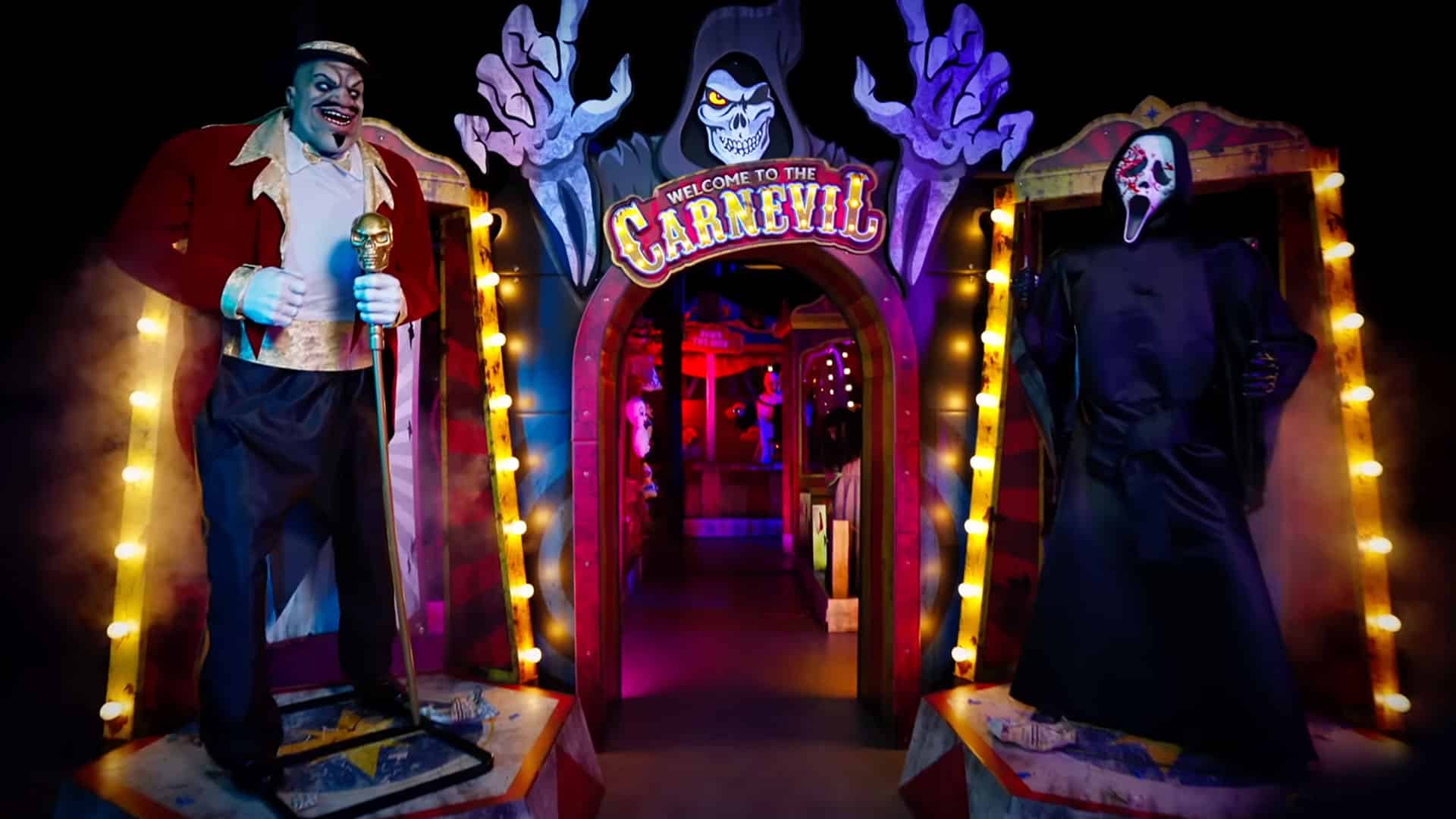
Spirit stocks mainly Halloween gear—costumes, props, and decorations with high margins. It’s impulse-buy gold, especially in October. They carry about 4k-5k costumes each year and reuse 30-40% of their inventory, keeping costs down.
Online sales
The website sells year-round for Halloween die-hards, but online sales are still just a slice of the revenue compared to in-store hauls.
Spirit of a Meme
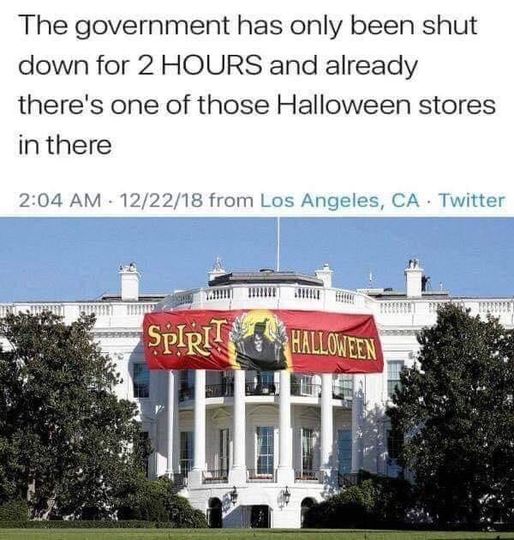
Spirit Halloween has become a cultural icon-a meme for showing up wherever stores close, along with satirical costumes that capture the humor of the season.

 Psychology
Scarcity and Urgency
Spirit Halloween’s life is short, and they know it. The stores come, they go. You either buy or you lose out. There’s no middle ground. The clock is ticking from the moment they set up. It’s a one-time chance, this year or never.
Availability Heuristic
They don’t hide. They take the best spots in town, right where the people are, where the cars go by. No need for a map. They’re right there, big as life, where you can’t miss them. If you’re nearby, you’re already halfway in.
Impulse purchases
Their shelves are packed with costumes and props, the kind you see and need right away. They make you feel like a kid again, digging up treasures for one night’s thrill. You’re not walking out empty-handed. You grab what you want, because why the hell not?
Humor Effect
They don’t take themselves too seriously. They’re in on the joke, the memes, the costumes that make you laugh. They’re not just selling masks; they’re selling the fun of it all. You walk in and feel like they get you.
 Window of Opportunity
 Window of Opportunity
The lesson here - think different.
There are millions of ways of doing business. Pop-up stores is just 1 of them.
Every year has seasons. You might open a pop-up store for it:
- fireworks
- seasonal ski store
- pumpkin stores
- Christmas trees
Anything you can think of...