Dubai Chocolate – How One Viral Pistachio Bar Sparked a Global Flavor Frenzy (8 min read)
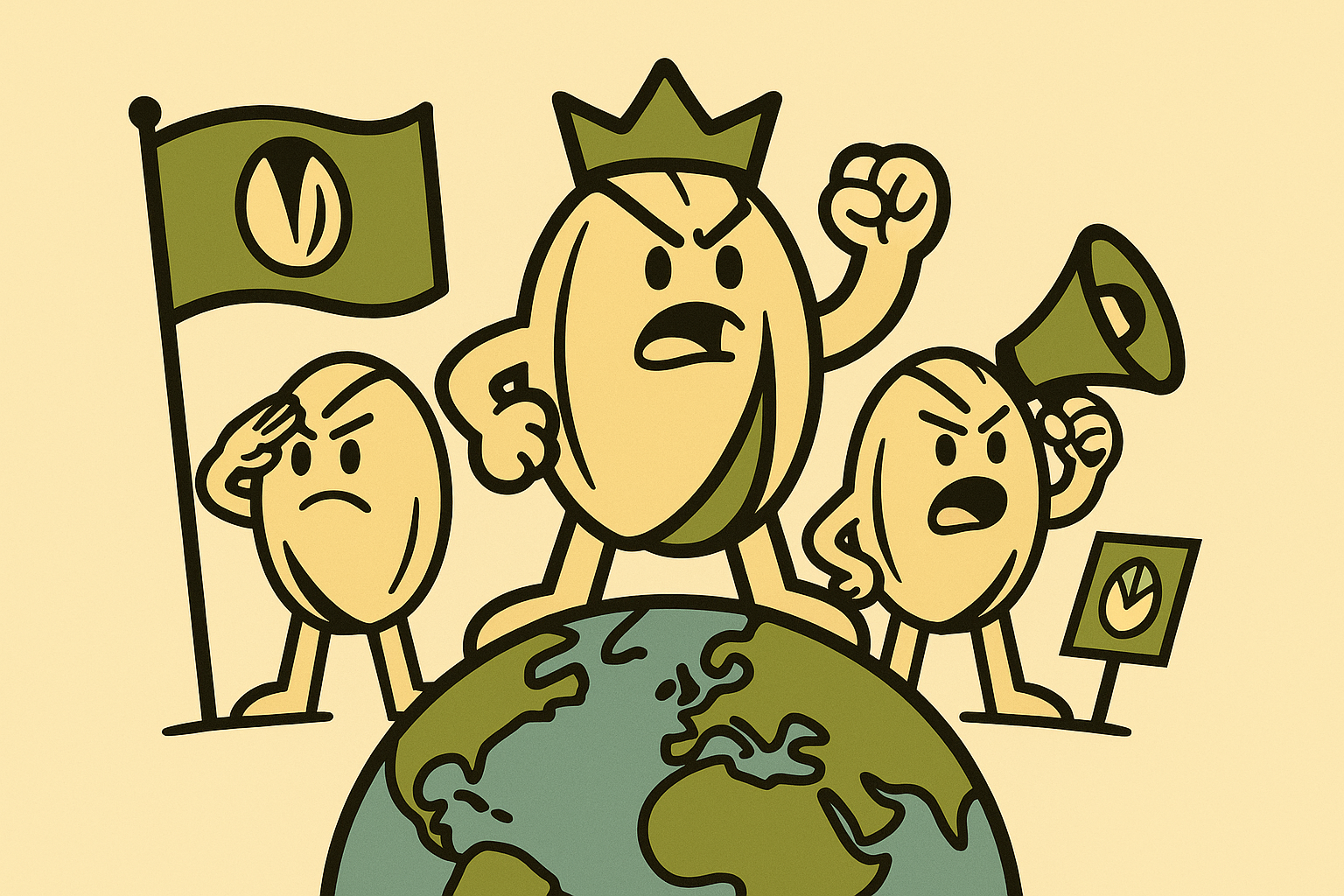
Dubai Chocolate - gooey green pistachio chocolate bar made in a tiny Dubai dessert shop went viral on TikTok, and now pistachio is everywhere. From truffles to lattes, this flavor didn’t just trend it rewired taste culture around the world.
tl;dr - Dubai Chocolate story in 30 seconds or less
- In 2021, Dubai-based Fix Dessert Chocolatier launched a chocolate bar mixing pistachio cream, milk chocolate, and crunchy kunafa (crispy shredded pastry).
- In late 2023, a single TikTok video of someone tasting it blew up to over 124M views and sparked global curiosity around pistachio.
- Scarcity, luxury flavor cues, and ASMR-worthy textures made people demand pistachio flavor in almost every food category.
- Soon Starbucks, Häagen-Dazs, and every influencer were riding the pistachio wave.
- By mid-2025, pistachio was the flavor. Global pistachio prices rose 35%. Demand isn’t slowing down.
 Strategy & Tools
New Coke History Timeline
- 2021 - Fix Dessert Chocolatier invents the pistachio kunafa bar in Dubai, led by Sarah Hamouda and chef Nouel Catis.
- Oct 2023 - Influencer Maria Vehera tries it on TikTok. Her video hits 124M views.
- Early 2024 - Demand surges. UK supermarkets like Sainsbury’s sell out in hours. Bars resell online for up to $30.
- Spring 2024 - Major brands hop on: Starbucks adds pistachio latte, Häagen-Dazs releases pistachio-centric ice creams.
- Mid 2024 - Pistachio starts showing up in pastries, gelatos, skincare, perfumes. Aesthetic green becomes a marketing asset.
From craving to culture
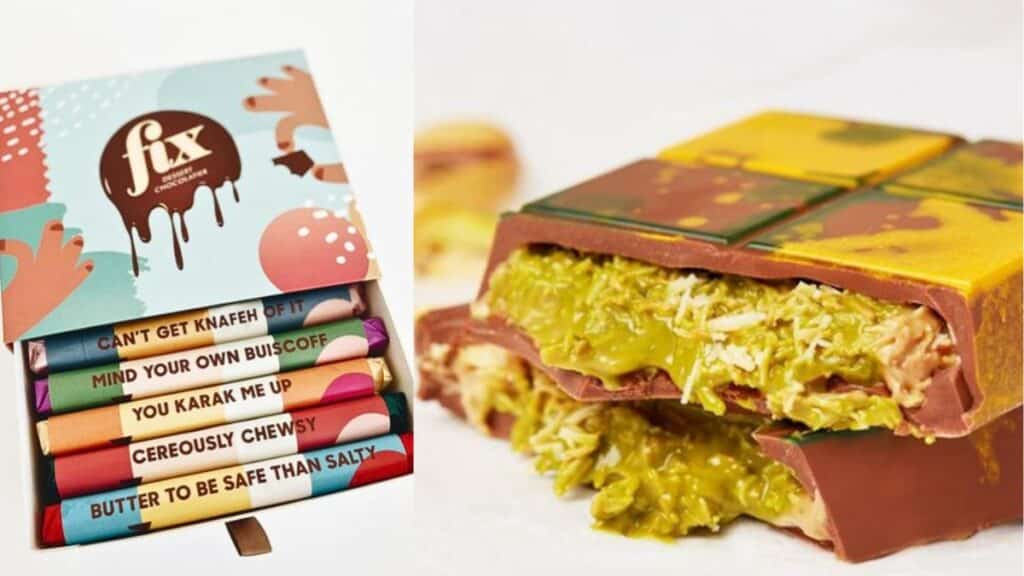
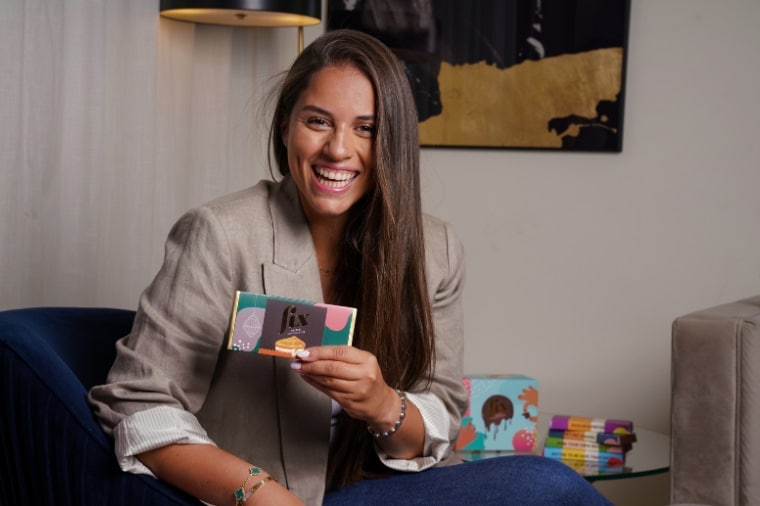
In 2021, British-Egyptian entrepreneur Sarah Hamouda, based in Dubai, co-founded Fix Dessert Chocolatier. During her pregnancy, she craved nostalgic flavors from her childhood. Working with executive pastry chef Nouel Catis Omamalin, she developed a unique chocolate bar: milk chocolate with pistachio cream and crispy kunafa (a traditional Middle Eastern dessert made of shredded filo pastry). It was named "Can’t Get Knafeh of It".
Can’t Get Knafeh of It was sold as a part of 6-item collection that shaked classic desserts with a playful twists and aesthetic packaging - that what made it stand out in the crowded dessert market.
The chocolate bars were sold only through Fix’s website and physical Dubai location. It gained local popularity for its layered textures and premium ingredients. Fix Dessert became known for its limited batches within limited time schedule, high prices ($30 for a bar), and high production quality.
Keep in mind, Sarah's initial marketing budget was $500.
TikTok famous
In October 2023, Ukrainian influencer Maria Vehera posted a TikTok video trying the bar. Her video featured the signature green pistachio filling stretching out between layers of chocolate and kunafa. It went viral overnight, reaching 124M+ views in a few days. Suddenly, everyone was calling it “Dubai chocolate.” The internet basically invented a new term.
Orders exploded. Their website traffic spiked massively - within 1 hour there were 29,700 people trying to purchase the chocolate at the same time. Deliveroo drops were gone in minutes. Fix Dessert Chocolatier scaled up production but maintained scarcity.
After they sold out, Sarah started reaching out to everyone who wanted a bar but couldn’t get one. She started running community events, handing out gifts, you name it.
Pistachio copycats
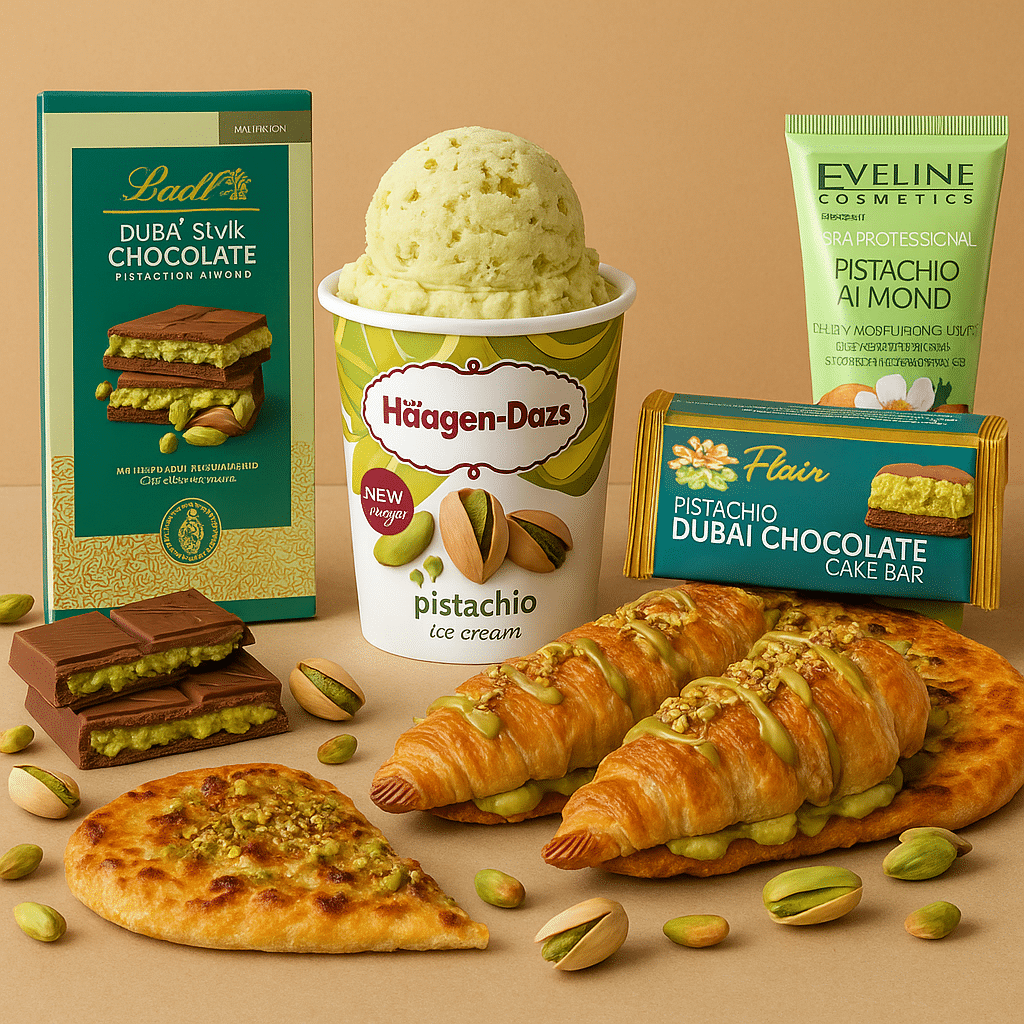
When Maria's TikTok video went viral UK stores like Sainsbury’s, Lidl, and Waitrose rushed to launch their own versions. They sold out within hours of hitting shelves.
By early 2024, global brands like Starbucks and Häagen-Dazs released pistachio-flavored drinks and desserts. Local bakeries across Europe, Asia, and the US launched “Dubai-style” pistachio pastries. TikTok filled with DIY versions and food recipes.
This is probably the most copied food product in history.
Economic and cultural trend
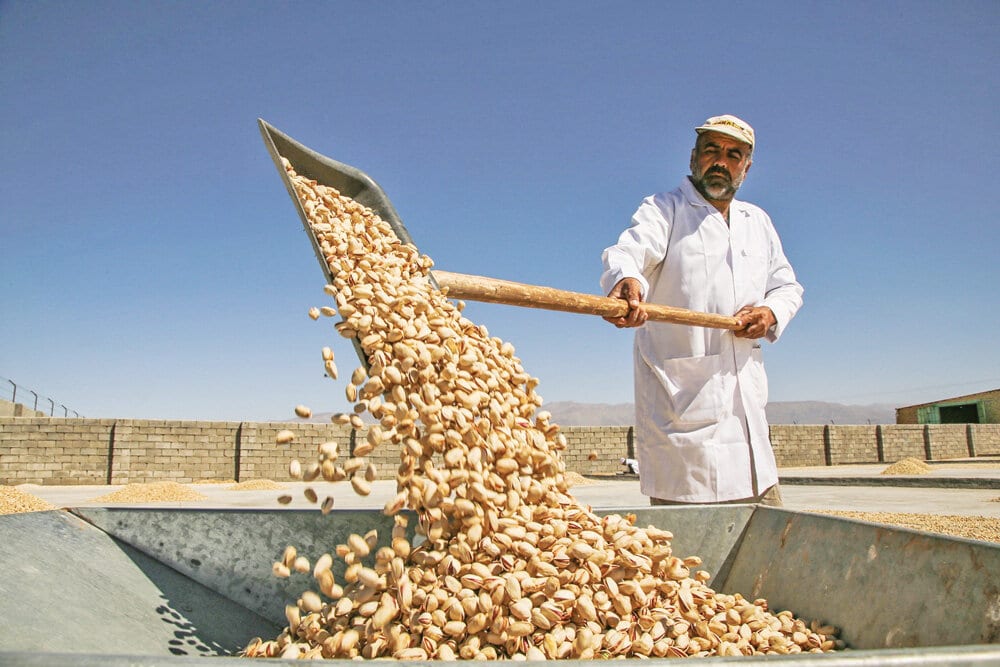
California’s pistachio supply dropped by as much as 20% last year. Demand drove pistachio prices up by 35% globally, from $7.65 to $10.30 per pound. Iran, one of the top producers, increased pistachio exports to the UAE by 40% in early 2025. A temporary global pistachio shortage hit, impacting other industries using the nut.
By mid-2025, pistachio was a mainstay flavor across categories: chocolate, gelato, pastries, coffee drinks, protein bars, and even cosmetics. The green color and luxury connotation helped it spread beyond food.
 Psychology
Pistachio didn’t blow up just because it got views. If every food with 100M eyeballs turned into a global trend, the world would look a lot different. Psychology took a major part of its phenomenon. Let’s break down how pistachio went from niche to global obsession:
FOMO
People saw others unboxing and tasting it but couldn’t get it themselves. Fix Dessert limited production that sold in minutes and pistachio supply shortages around the world made it more desirable.
Veblen Goods
Sometimes the more something costs, the more we want it. A $30 chocolate bar sounds ridiculous unless it’s positioned as a luxury. Although some customers were sceptical about paying that much for a chocolate bar, the demand showed a different story.
Think about it. If it was dirt cheap, would anyone even care? Uber, Tesla, tons of others played this game too. Go luxury to get people talking, then scale.
Cultural Fusion / Novelty Without Risk
Before it went viral, it went big in Dubai. The bar combined traditional Arab kunafa, European-style chocolate, and a globally loved pistachio. This “cultural + innovation” mix hit the sweet spot to make it stand out.
Country of Origin Effect
Dubai is globally seen as rich, luxurious, exclusive. Calling it “Dubai chocolate” wasn’t just a label, it instantly associated the product with wealth, design, and quality. The same bar made in Ohio wouldn’t have gone viral.
Multi-sensory triggers
Crunchy kunafa. Gooey pistachio cream. Melted milk chocolate. Each layer triggered a different pleasure sensor. Combined with ASMR sounds and slow-motion bites, it was engineered for maximum mouth appeal.
Color Psychology/ The Green Premium
The specific green of pistachio feels earthy and rare. It subconsciously suggests wealth (green = money) and health. It’s eye-catching, photogenic, and easily brandable.
Class & Exclusivity Signaling
Pistachios were once reserved for the elite - sultans, emperors, and royals. Their ancient associations now translate into modern premium treat culture.
Food Without Rules/ Pistachio Has No Baggage
Unlike coffee (morning), pumpkin spice (autumn), or peppermint (Christmas), pistachio has no season or ritual rules. It can appear in ice cream, pastries, lattes, cereal, even cosmetics. Can be marketed as summer-fresh, winter-cozy, romantic, or luxurious, depending on the setting.
Taste Profile/ Universal Pleasure
Pistachio has a rare blend of sweet, savory, and creamy, a multi-sensory taste. Unlike polarizing nuts (e.g. walnut bitterness, almond chalkiness), pistachio has a "round" mouthfeel and slight umami edge. It pairs well with chocolate, vanilla, rose, and coffee, so it became a chameleon of flavor trends.
The Illusion of Health
Pistachio has “health halo” even in desserts. It’s a nut! It has protein! It’s green! Consumers feel less guilt eating pistachio-flavored treats compared to caramel or peanut butter. Even when used in high-calorie chocolate, pistachio maintains the illusion of being “healthier.”
 Window of Opportunity
 Window of Opportunity
This wasn’t just a viral dessert. It was a masterclass in emotional product design, scarcity-driven demand, and cultural timing. Here's how you can apply the same playbook:
- Remix what’s familiar in a new way
Pistachio existed for centuries. Kunafa, too. Sarah combined well-loved ingredients into a fresh, high-contrast format. Innovation came from fusion, not invention. - Take leverage of your location
Dubai’s luxury image gave the bar built-in prestige. Even if you’re not from Dubai, use your origin, culture, or founder story as a credibility layer. The right backstory adds 10x perceived value. - Scarcity creates FOMO
Fix didn’t scale instantly. They sold out fast, posted about it, and stayed limited. Don’t try to meet every demand at first. Let your early adopters feel like insiders. Create controlled chaos - Price high, then justify it emotionally
$30 for a chocolate bar is crazy, unless people believe they’re buying an experience, not a snack. Price can be part of the positioning. Use storytelling, scarcity, or sensory design to defend your margin. - Capitalize on trends
Once Dubai Chocoltae exploded, Starbucks, Lidl, and Häagen-Dazs moved in fast. If you're not first, be second, just fast.